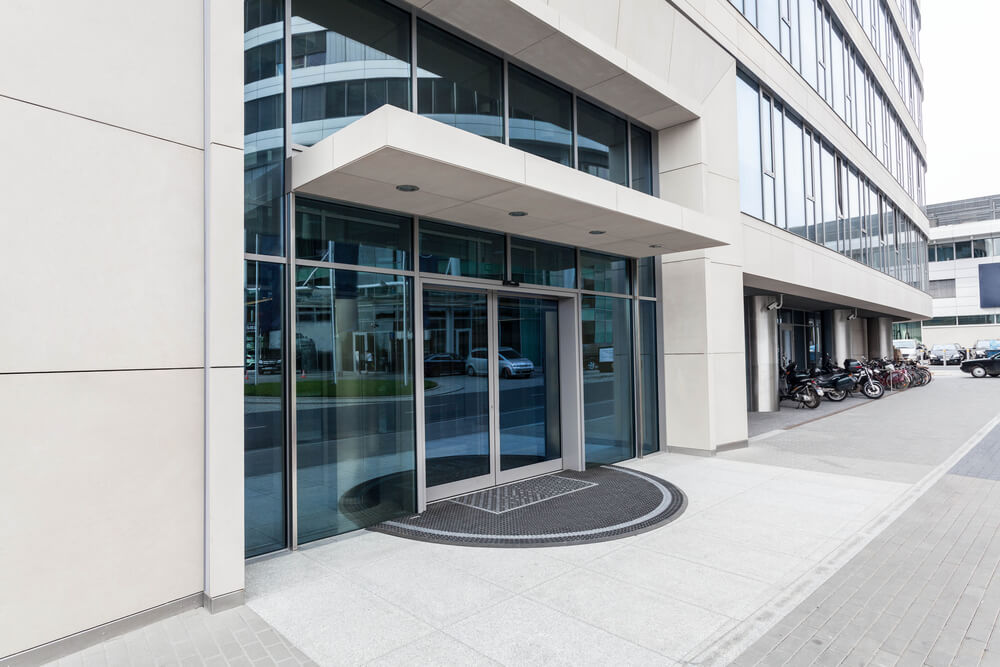
December is one of the busiest, and harshest, months for commercial entrance systems. With colder temperatures, increased moisture, and significantly higher footfall, automatic doors experience far more strain than during other times of the year. For facility managers and business owners, this combination can quickly lead to costly commercial door failures at the worst possible moment.
In this guide, we explain why door failures spike in winter, the risks they pose, and the essential commercial door maintenance steps your business should take to ensure reliable, safe operation through December and beyond.
Why Commercial Door Failures Increase in December
1. Cold Weather and Temperature Fluctuations
Mechanical components contract in cold temperatures, increasing friction and reducing efficiency. Door operators, hinges, tracks and rollers often work harder in freezing conditions, making breakdowns more likely.
2. Higher Footfall and Frequent Cycling
Retailers, hospitality venues and public buildings see a surge in visitors during December. Automatic doors may cycle thousands of times per day, accelerating wear on sensors, motors and pivot points.
3. Moisture, Ice and Debris
Winter brings rain, frost and slush, all of which get tracked into entrance areas. Moisture on sensors, thresholds and guide rails can cause misalignment, sticking or premature wear.
4. Sensor Interference in Harsh Weather
Infrared and microwave sensors are more prone to false activations or failed detections during severe winter conditions. This can lead to unexpected door movement or slow opening responses.
5. Worn Components Reaching Failure Point
Minor issues that go unnoticed during the year often reach breaking point in December when doors are under maximum load.
The Risks of Winter Door Failures

Failing to prepare your commercial entrance systems for winter can result in:
- Unexpected downtime, preventing customers or staff from entering your premises
- Safety hazards, including doors closing too quickly or failing to detect pedestrians
- Compliance issues, particularly for premises where automatic door safety is regulated
- Energy loss, with poorly sealed or malfunctioning doors allowing heat to escape
- Costly emergency repairs, which are more likely, and more expensive, during peak season
Proactive automatic door servicing is the best strategy to avoid these risks.
Winter Maintenance Checklist to Prevent Door Breakdowns
1. Inspect Sensors and Safety Systems
Ensure activation sensors, presence sensors, safety beams and door control systems are functioning correctly. Clean all lenses and remove any moisture build-up that may affect detection.
2. Check Door Operator Performance
Test the operator for smooth acceleration, consistent opening speed and reliable closing action. Any sluggishness may indicate wear, motor issues or controller faults.
3. Improve Weather Sealing and Draught-Proofing
Examine seals, gaskets and brush strips for gaps or deterioration. Effective sealing reduces heat loss, prevents water ingress and ensures stable door performance.
4. Lubricate Hinges, Guide Rails and Tracks
Cold weather thickens lubricants and increases friction. Proper lubrication of:
- Hinges
- Sliding door tracks
- Guide rails
- Rollers and bearings
helps ensure smoother movement and reduces the risk of motor strain.
5. Test Battery Backups and Emergency Releases
Winter storms and power interruptions are more common in December. Confirm that emergency release systems and backup batteries operate smoothly and safely.
6. Clean and Clear All Entrances
Remove dirt, grit, salt, packaging and debris that can obstruct door movement or interfere with track alignment. Pay special attention to threshold areas.
7. Confirm Proper Closing Speeds and Force Settings
Cold weather can affect door speed and closing force. Make sure your doors close gently but securely to maintain compliance and prevent injury.
Winter-Specific Advice for Different Door Types
Automatic Sliding Doors
Automatic sliding doors are highly susceptible to winter-related issues because moisture, salt and grit can accumulate in the tracks, causing friction and obstructing movement. Keeping tracks clean and dry helps prevent operator strain and unexpected stoppages. Check carrier rollers for signs of wear, as cold temperatures can worsen existing damage. Also ensure sensors are correctly calibrated, as frost, glare and condensation may create detection blind spots that affect safe operation.
Automatic Swing Doors
Winter conditions can impact swing door mechanisms, making regular inspections essential. Check pivot points and arm mechanisms for stiffness caused by thickened lubrication or freezing temperatures. Confirm that wind load compensation is active and correctly set, especially for doors exposed to strong winter gusts. Safety sensors should also be tested to ensure they detect reliably despite temperature fluctuations, as inaccurate readings can compromise safe movement.
Commercial Shopfront Doors
Shopfront doors often face the highest winter footfall, increasing the importance of proper upkeep. Cold weather can cause locks and manual mechanisms to freeze or jam, so regular testing and light lubrication help maintain smooth operation. Inspect glazing seals to prevent heat loss and reduce energy waste. Additionally, check manual closers for appropriate resistance, as low temperatures can cause them to slow down or become overly forceful.
Why Professional Servicing Matters
While daily checks and basic cleaning can be handled in-house, professional commercial door maintenance provides deeper assurance. Trained engineers can:
- Identify worn components before they fail
- Calibrate sensors and door operators for peak winter performance
- Test safety systems to industry standards
- Ensure full compliance with EN 16005 and other relevant regulations
A planned automatic door servicing visit from a specialist like Evolution Entrance Systems helps minimise disruption and ensures your entrance systems remain safe, efficient and reliable during the December rush.
Prepare Now to Avoid December Disruptions
Winter is the most demanding season for commercial entrance systems, but with proactive maintenance and professional servicing, you can prevent door breakdowns, protect your business and ensure a smooth flow of customers all month long.
Don’t wait for a failure. Schedule your commercial door maintenance before December’s peak footfall and keep your premises safe, compliant and fully operational.